
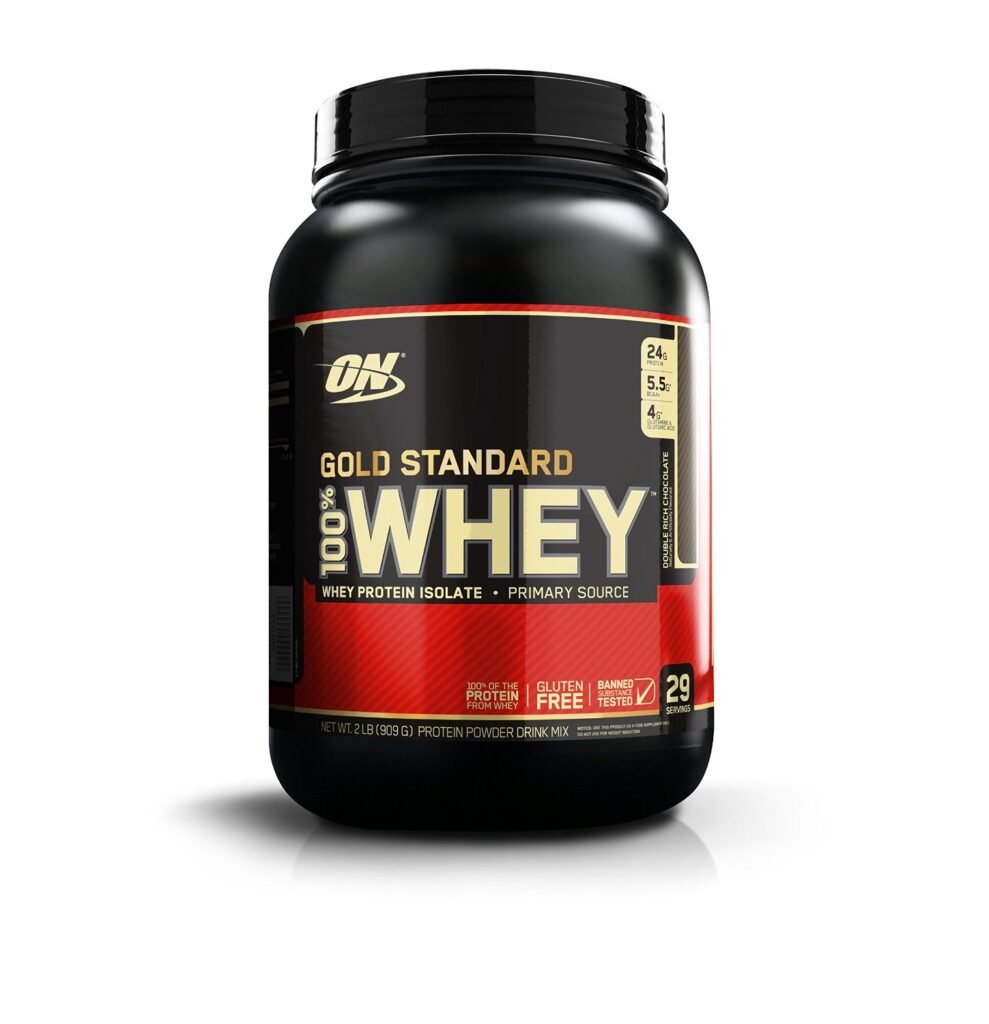
Whey protein was one of the first supplements to enter the fitness industry—and for good reason. It\’s a concentrated source of high-quality protein, especially helpful for those who struggle to meet their daily protein needs through food alone.
But is whey protein vegetarian?
Yes! Whey protein is a vegetarian supplement derived from cow’s milk—a dairy byproduct that’s completely free of meat or animal tissue. It’s produced during the cheese-making process, where milk curdles and separates into curds (used for cheese) and liquid whey. This liquid whey is then filtered, spray-dried, and processed into the whey protein powder you find in stores.
So, to clear the confusion: Whey is dairy-based, not meat-based, making it vegetarian (but not vegan).
Whey is often marketed as a dietary supplement to help increase protein intake. However, nutritionists and dietitians recommend using whey protein only after evaluating your current protein consumption and daily requirements.
💡 Not into supplements?
That’s okay too! Just make sure you include protein-rich foods in every meal—like lentils, dairy, eggs (if you’re an eggetarian), tofu, tempeh, or pulses—to support your muscle health and active cells.
Remember: Muscles are made of protein. Don’t starve them!
How to Choose the Right Whey Protein: A Smart Buyer’s Guide
Fitness enthusiasts, gym-goers, and anyone actively engaging in workouts or exercise often have higher protein requirements. For vegetarians especially, meeting these needs can be a challenge, as most plant-based protein sources are bulky and classified as second-class proteins, meaning they lack one or more essential amino acids.
That’s where whey protein comes in.
🥛 Whey: A First-Class Protein
Whey protein, like eggs, chicken, and fish, is a first-class protein, containing all nine essential amino acids. Among its benefits:
-
💪 Rich in BCAAs (Leucine, Isoleucine, Valine) for muscle repair & growth
-
🛡️ Provides antioxidant support
-
⏱️ Aids in faster muscle recovery
-
💥 Boosts immune function
🧪 Not All Protein Powders Are the Same
There are various categories of protein powders, but whey remains the most effective. When purchasing protein supplements, remember your goal: getting protein, not carbs or fats, which are easy to consume through regular meals.
✅ Your checklist when buying whey protein:
-
Check the protein percentage.
Use this simple formula:(Protein per serving ÷ Serving size) × 100
For example, if your scoop size is 25g and it gives you 24g protein, that’s 96% protein—excellent quality! -
Aim for ≥ 90% protein per scoop for the best whey isolate or hydrolyzed whey products.
-
Check the ingredients list.
If “whey protein concentrate” is listed first, and the protein content is low, the product likely contains only trace amounts of higher-quality proteins like isolate or hydrolysate.
🏆 Top-Recommended Whey Protein Brands
Here are some whey proteins known for quality and performance:
-
Prosource Nytrowhey Ultra Elite
-
GNC Pro Performance Amp Wheybolic Extreme 60
-
Optimum Nutrition 100% Whey (GNC Exclusive)
-
BPI Sports ISO-HD
-
Allmax Isoflex
-
MyProtein Impact Whey
-
MuscleTech Nitro-Tech
-
BSN Clean 100% Whey
-
MHP Maximum Whey
-
Zero Carb Isopure
🚩 How to Spot Low-Grade Protein Powders
If a protein powder seems too cheap to be true—it probably is. Here’s how to identify low-quality products:
-
❌ Protein content below 70% per scoop
-
❌ First ingredient is “whey concentrate” with minimal isolate or hydrolysate
-
❌ Heavily marketed but lacks transparent supplement facts
-
❌ Found at suspiciously low prices without third-party reviews
💡 Tip: Check reputable sites like Bodybuilding.com, GNC, or The Vitamin Shoppe for honest reviews and product breakdowns.
✅ Final Advice: Be a Smart Consumer
Your protein powder should work for you, not just your wallet. Avoid falling for flashy labels or influencer marketing. Instead:
-
📊 Analyze the supplement facts panel
-
🔍 Calculate actual protein content
-
🛍️ Spend wisely on quality, not quantity
Invest both time and money to ensure you’re fueling your body with the right nutrition.